© R McConville


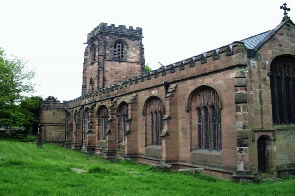
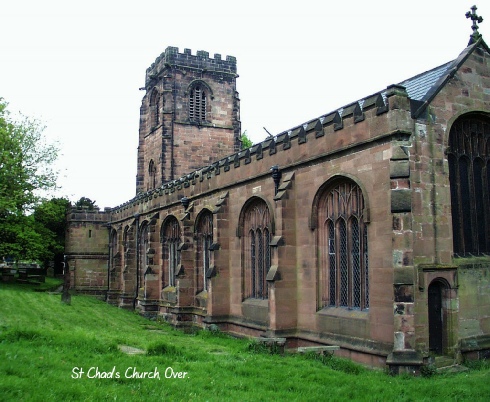
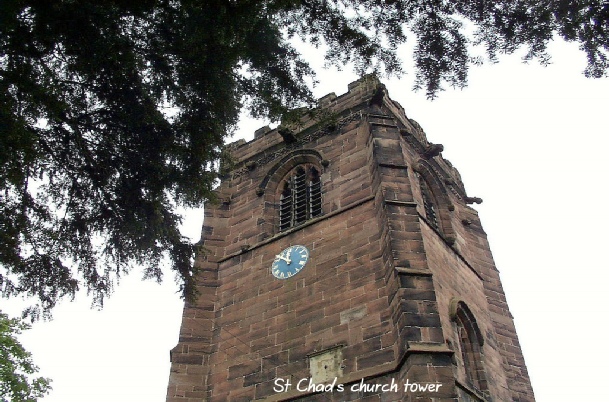
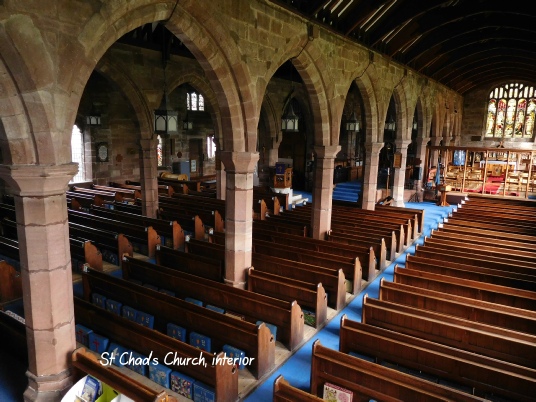
St Chad’s Church is the oldest place of worship in Winsford and it is thought that the site on which it stands could have been the site of a pre-Christian, Celtic sacred place called a nemeton. The present church dates from 14th century but has been modified many times since. Inside the church is a small fragment of a Saxon cross, well over 1000 years old. In the churchyard is the base of a stone cross dating from around 1543. The church tower was built at the end of 15th century. It originally had 4 bells and now has 8.
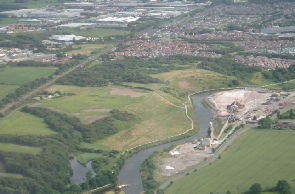
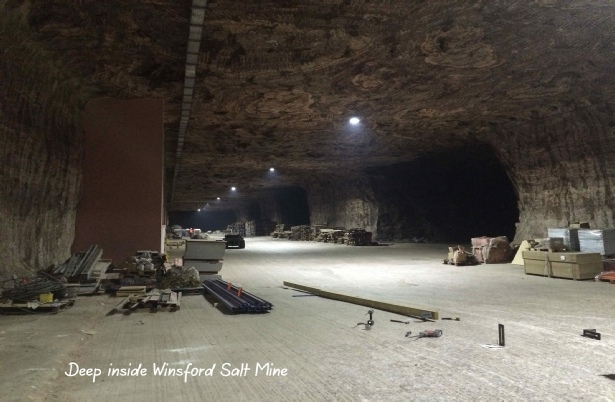
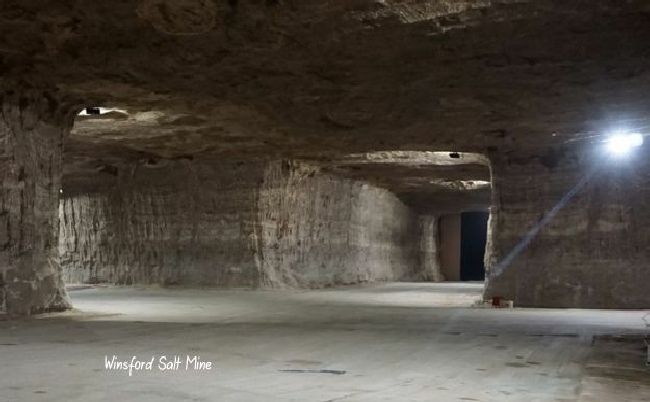
Prior to 1894, Winsford was a small settlement near Wharton, across the River Weaver from Over. During the 19th century it became well known as the leading salt producing area in the country, so when in 1894 Over and Wharton were combined to form a new town, it was given the name Winsford. In 1798, the River Weaver was canalised to allow navigation up to Winsford enabling salt to be transported to Liverpool for export. The Flashes, lakes on the River Weaver, were caused by subsidence due to salt mining.
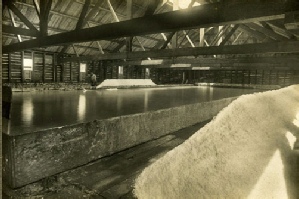
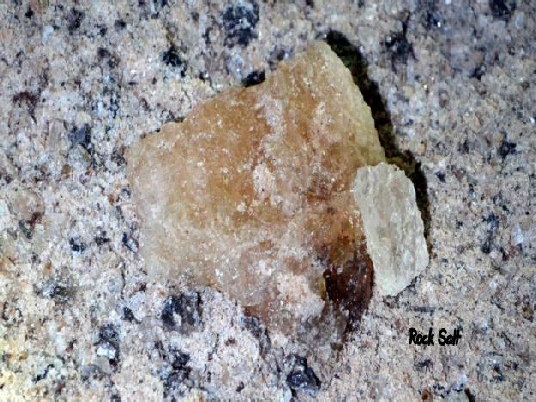
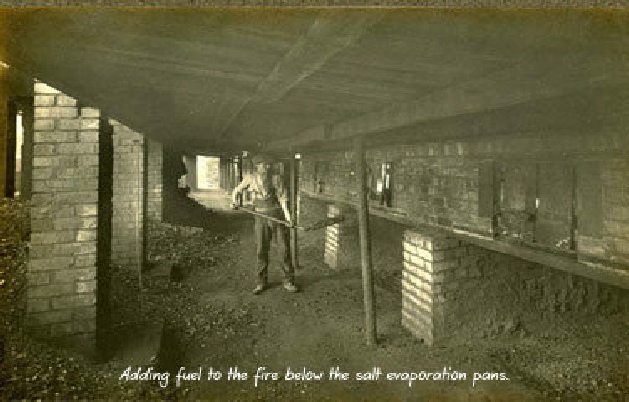
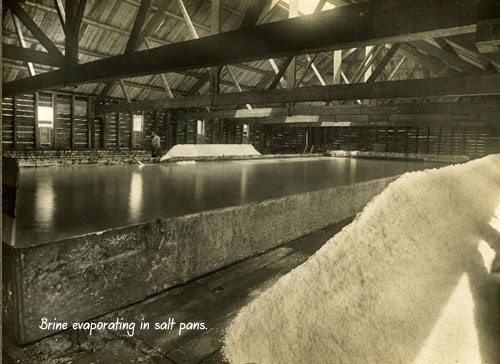
The word ‘salt’ is derived from the Latin word ‘sal’ which is also the root for the word ‘salary’. Salt has been an important commodity for thousands of years. Salt was produced in Cheshire by heating brine (salt water) in pans to evaporate the water and leave salt crystals. The large iron pans, into which the brine was pumped, were made by ‘Pan Smiths’. The coal fires to provide the heat under the pans were tended by ‘Fire Men’. Salt was made into blocks using wooden moulds by ‘Lump Men’. The lumps then dried in the hothouse.