© R McConville


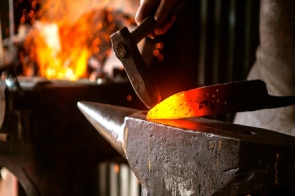
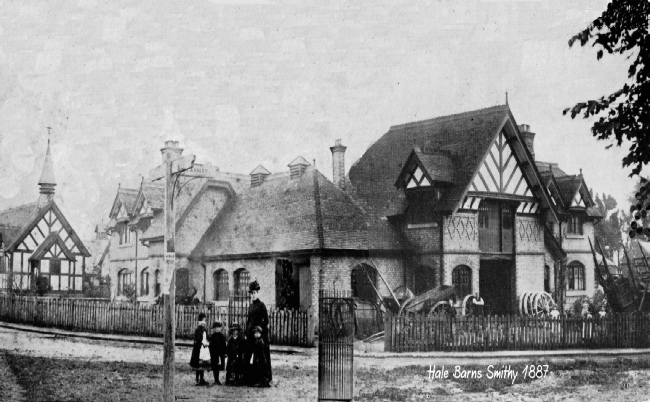
Blacksmith’s skills probably began in the iron age when they found that by heating up certain rocks (ore) they could produce metal which could then be turned into spear and arrow heads. Iron was being produced in Britain in the 5th century BC. In medieval times, blacksmiths were extremely important as producers of weapons, armour, agricultural tools and implements as well as horseshoes. The Industrial Revolution mechanised the working of iron and started the demise of the traditional blacksmith.
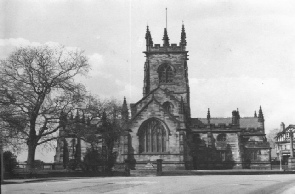
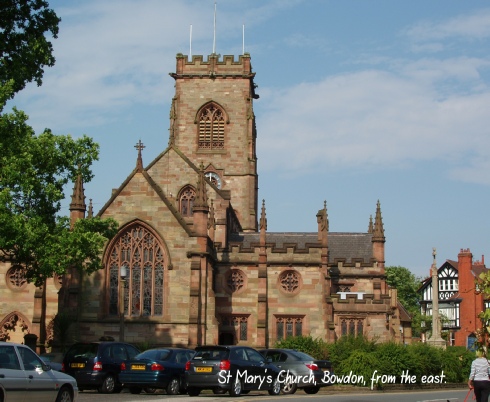
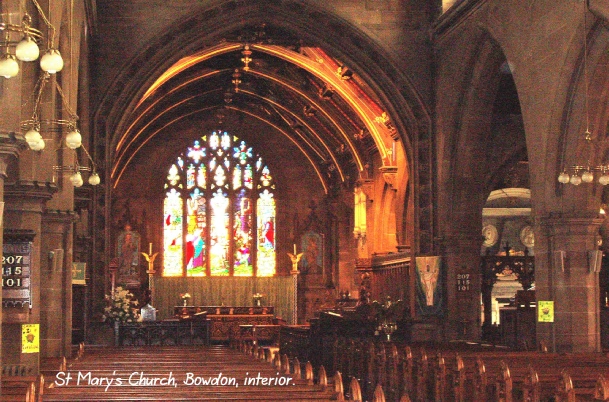
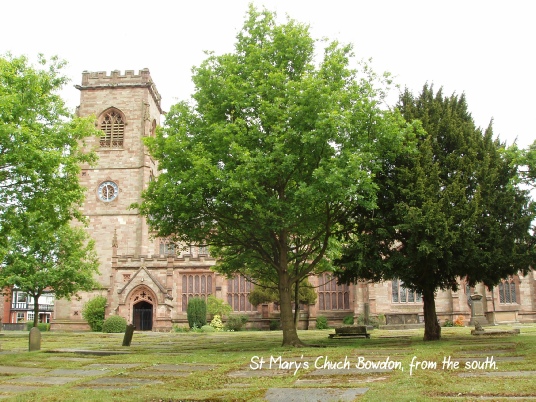
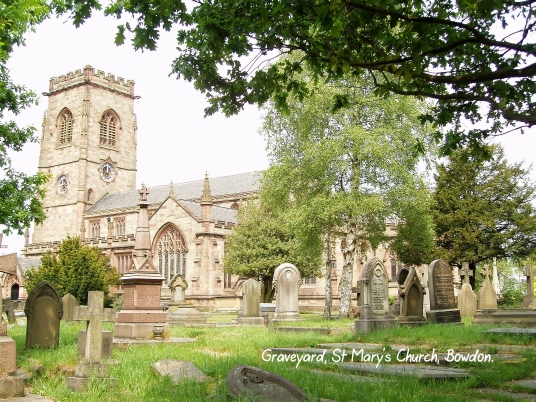
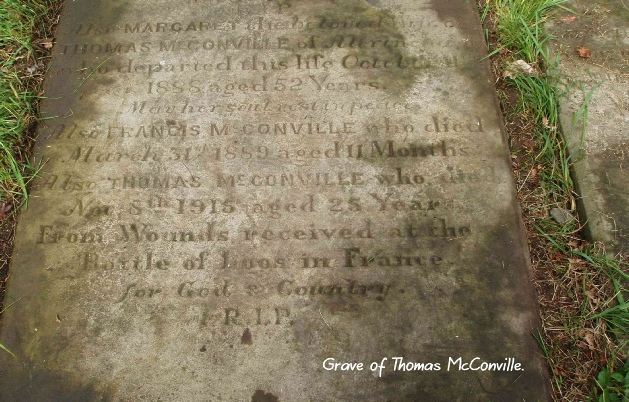
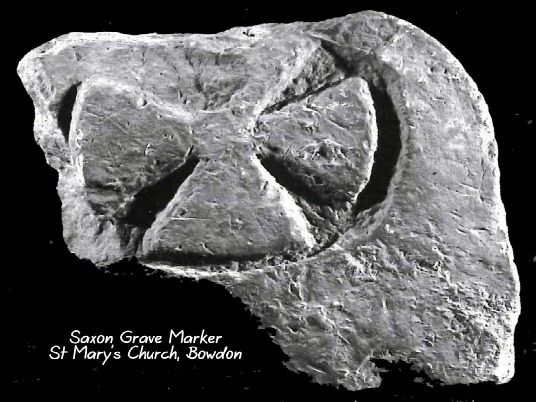
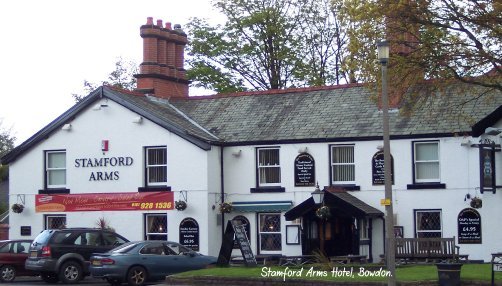
It is thought that a church may have been in Bowdon since the 7th century. The Doomsday Book records that Bogedone (Bowdon) had a priest and a church. The Normans built a stone church and dedicated it to St Mary. The church was rebuilt in 14th and 16th centuries and a bell tower was added. In 1858 the church was demolished and the church we see today was opened two years later. Many of our ancestors were baptised married and buried at St Marys. The earliest record is Margaret Hollinworth (sic), wife of Edwin, 1628.
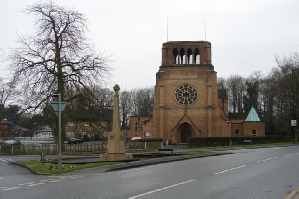
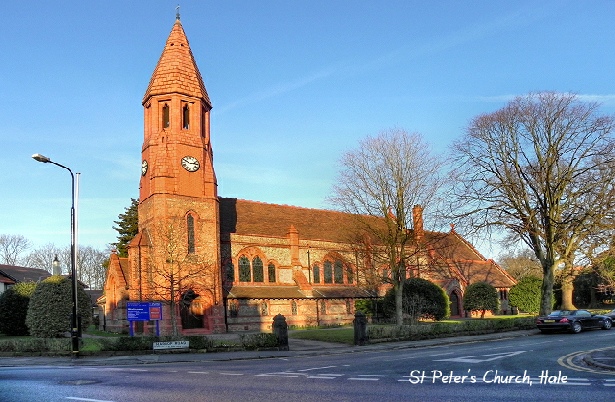
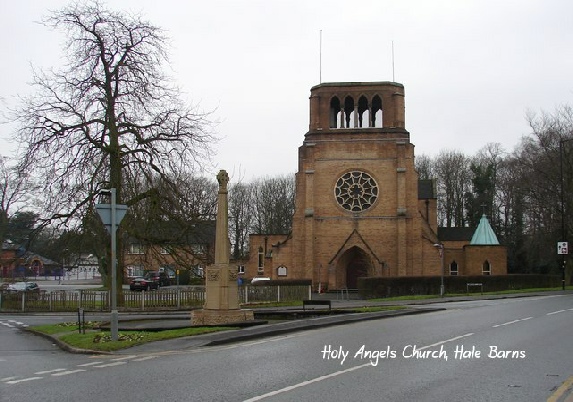
The village of Hale lies about a mile south-east of Altrincham. The name come from the old English”halh” meaning a nook or shelter. A settlement probably existed here in the 7th century and it is mentioned in the Doomsday Book. A tithe barn built nearby in the 15th century gave rise to the name Hale Barns. The value of the tithe was double that of any other township in the parish of Bowdon, indicating that it was a prosperous area. Today, Hale, together with Hale Barns and Bowdon, is the wealthiest area of Greater Manchester.